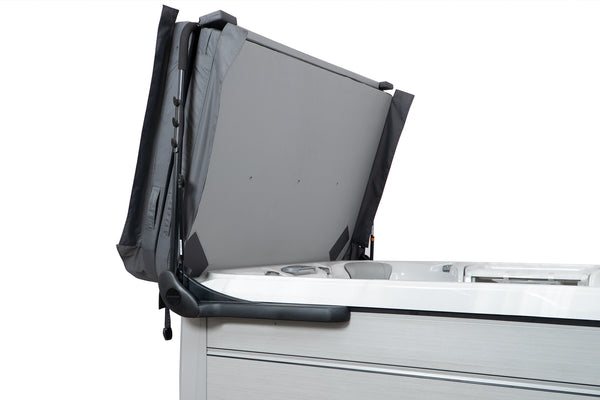
Winter has a way of telling the truth about a hot tub cover. Once the snow arrives and temperatures drop, the cover that looked fine in the fall can suddenly feel heavy, drafty, and tired. Maybe the water takes longer to heat. Maybe the cover is harder to lift. Maybe you notice steam slipping through seams that used to sit tight.
A cover is not just a lid. It is an insulation system, a safety barrier, and the first line of defence against some of the harshest weather of the year. When it starts to fail, the impact shows up in higher bills, colder water, and extra strain on your equipment. Guidance from trusted sources like the CDC’s home hot tub water treatment and testing recommendations reinforces how proper maintenance helps extend the lifespan of every part of your spa, including the cover.
This guide will help you recognize the warning signs, decide whether repairs are enough, and know when a full hot tub cover replacement is the smarter move.
Assessment of Repair Versus Replacement
Start with an honest inspection. Winter exaggerates every weakness, so even small issues can quickly become bigger ones, which can also indicate if you’re due for any cover upgrades this season. Ask yourself a few key questions.
Is the cover still structurally sound?
Look for broken foam cores, split seams, or a hinge that feels like it is giving way. Once the structure is compromised, repair rarely restores full strength, especially under the weight of snow and ice.
Has the cover gained noticeable weight?
If it feels significantly heavier than last year, the foam is likely waterlogged. Slight moisture can sometimes be managed. Heavy saturation cannot.
Does the cover still seal properly?
Check how it sits on the shell. If you can see gaps, feel cold air along the edge, or notice steam escaping on cold nights, the seal is not doing its job.
Are the hinges, straps, and handles intact?
The anatomy of a durable hot tub cover also includes a reinforced center hinge, secure handles, and a skirt that sits cleanly against the tub. Look for fraying, tearing, or stretched attachment points. If the center hinge is failing or the straps no longer feel secure, that is both a safety concern and a sign you may need to replace hot tub cover rather than patch it again.
These details work together to keep the cover strong even when it is freezing outside. If several of these answers give you pause, repairs might only delay the inevitable instead of truly solving the problem.
Common Signs Indicating the Need for Replacement
Covers rarely fail all at once. They usually send clear signals. The more of these you notice, the closer you are to needing spa cover replacement instead of simple repairs.
The cover feels much heavier
A heavy cover almost always means waterlogged foam. Once water finds its way inside the core, the insulation value drops, the cover is harder to move, and the risk of sagging increases. Waterlogged foam cannot be dried or restored.
The vinyl is cracked, faded, or stiff
Cold air exposes every weakness. Small cracks grow, the surface feels brittle, and the finish starts to break down. Cracked vinyl lets moisture in and allows heat to escape. These issues typically show up while testing your hot tub cover for winter, when the cover is expected to perform under colder conditions.
The cover no longer sits flat
If the cover is warped or scooped in the middle, it cannot create a strong seal. You may see steam escaping along the center hinge or frost tracing the outline of gaps.
The center hinge is damaged
The hinge carries the most weight and movement. Once it tears or separates, the cover loses both strength and insulation.
Persistent odors or visible mold
A musty smell or visible mold along the underside is a sign that moisture has been trapped inside. It signals that the foam and vapor barrier have been compromised.
The CDC’s hot tub safety guidance encourages regular visual checks for structural issues, mold, or water damage, reinforcing how essential it is to address these signs early to maintain a safe soaking environment.
Impact of a Damaged Cover on Hot Tub Performance
It is easy to underestimate how much a worn cover affects your hot tub.
Higher energy bills
When heat escapes through cracks, gaps, and thinning insulation, your heater must work harder and run longer.
More strain on internal components
If the system is constantly reheating cooled water, pumps and heaters work overtime. That extra workload can shorten their lifespan.
Greater exposure to winter weather
A weakened cover struggles under snow and ice. Sagging panels or split seams leave your spa more exposed to freezing air and debris.
Moisture where it does not belong
Waterlogged foam and poor seals allow cold moisture to sit close to the shell and internal components. Over time, that can lead to corrosion and repairs that cost more than replacing the cover.
The Washington State University Energy Program notes that even small inefficiencies in spa insulation can significantly increase energy consumption, especially in cold climates, making a healthy, well-sealed cover essential.

Maintenance Tips to Prolong Cover Lifespan
Whether you are trying to get one more season from your current cover or protecting a new investment, winter care makes a real difference.
Let the cover air out periodically
Lift the cover and let steam escape for a few minutes. This helps reduce moisture build up along hinges and seams and supports consistent hot tub cover care and maintenance.
Clear snow gently and often
Use a soft brush or your hand to remove snow before it piles up. Avoid sharp tools that could cut the vinyl.
Check hinges, seams, and skirts
Look regularly for early signs of strain, cracking, or separation. Small issues caught early are easier to manage than major failures during a cold snap.
Keep water chemistry balanced
Unbalanced water releases vapors that are hard on vinyl, stitching, and foam. Balanced chemistry protects both the spa and the cover.
Use your lifter system correctly
If you rely on cover lifters, make sure they are aligned and not putting uneven pressure on the hinge.
The University of Illinois Extension emphasises that proactive checks and safe upkeep practices play a major role in preventing damage to spa and pool equipment, including covers.
Purchasing and Choosing a Replacement Cover
When repair is no longer enough, the next step is choosing the right replacement. This is where materials, construction, and fit separate average covers from true winter performers.
Look at insulation quality first. High density foam cores provide strong heat retention through cold snaps and help keep your winter energy bills in check. Then look at vinyl and stitching. Premium, weather resistant vinyl combined with strong stitching will stand up to sun, snow, and ice without cracking or peeling.
Brands like The Cover Guy focus on combining that insulation with durable, winter tested materials so the cover performs season after season.
Fit matters just as much. A well measured, tight fit prevents steam from escaping and cold air from sneaking in. If you are measuring a hot tub cover yourself, follow a clear guide so you can order with confidence and get a snug seal that protects the spa shell and controls heat loss.
The North Carolina Cooperative Extension highlights how freezing conditions can damage foam, plastics, and seals that are not engineered for winter durability, which reinforces the importance of choosing a high quality, winter rated replacement cover.
How to Test Your Cover’s Winter Readiness
A simple testing routine gives you clarity before the coldest weeks arrive.
- Press down lightly on the center and corners to check for soft spots or sagging.
- Open and close the cover a few times and notice the weight and feel.
- Look closely at seams, skirts, and the underside for cracks, tears, or dampness.
If the cover feels heavy, looks warped, or shows clear signs of moisture damage, you already have your answer. It is time to start planning for spa cover replacement that will carry you through many winters instead of just one more season.
If you want something fast, a quick-ship hot tub cover, in pre-determined sizes, can be a convenient option that still offers reliable insulation and build quality. You can also explore helpful cover upgrades and accessories, so the new cover is easier to use every day.
Your Winter Spa Confidence Check
A good cover does its best work quietly. It holds in heat, keeps out the cold, and lets you step into warm water even when the deck is covered in snow. When that cover starts to fail, winter exposes every weakness.
For many homeowners, custom hot tub covers that are built to order provide the best blend of insulation, fit, and protection. When you pair that with careful testing of hot tub cover for winter before the deep cold arrives, you can step into warm water with confidence all season long.
If your cover is heavier, cracked, warped, or no longer sealing the way it once did, it is time to look beyond quick fixes. The right new hot tub cover, built for serious winter conditions and sized correctly, will protect your investment, steady your energy bills, and keep every soak inviting.