Some of the best workouts end with a short warm soak. But if you have a hot tub at home, you might be wondering whether that soak is best before your workout, after it, or both.
Timing matters more than you might think. A long, hot soak right before a run can leave you feeling too relaxed to push hard, while the same soak after you've cooled down helps tired muscles recover and takes pressure off sore joints.
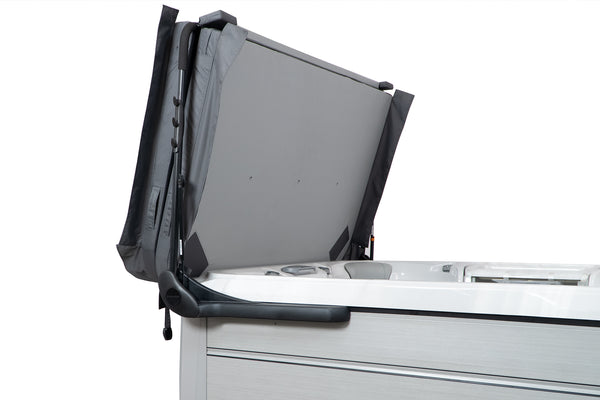
At The Cover Guy, we know a recovery routine is easier to keep when your hot tub is ready the moment you finish a workout. Our custom-made hot tub covers for sale hold in heat between soaks, so the water stays warm. A hot tub cover lifter also makes the cover easy to open when your arms are tired.
So, should you soak before or after you train? Let's look at what the research says about hot tubs and muscle recovery, how hot and cold water compare, and how to set up a safe post-workout soak.
Post-Workout Hot Tub Timing: What to Know
- For most people, a hot tub works best after a workout, once you've cooled down and your heart rate has settled.
- A short, warm soak before exercise can loosen stiff muscles, but it doesn't replace an active warm-up.
- Cold water has stronger research behind it for easing soreness, while warm water is better for relaxing and loosening up.
- If building muscle is your goal, a warm soak or light movement may suit you better than an ice bath right after lifting.
- Keep the water at or below 104°F, drink water before and after, and check with your doctor first if you're pregnant or have a heart condition.
Hot Tub Before or After a Workout: Which Is Better?
When it comes to timing, after your workout usually wins. A soak once you've cooled down gives tired muscles a chance to relax, while a quick dip beforehand can help you loosen up before your warm-up.
Using a Hot Tub Before a Workout
A few minutes in warm water can loosen tight muscles, which feels especially good before an early morning run or on a cold day. Keep it brief, though. About five minutes is plenty, and you might turn the temperature down a few degrees first. A long, hot soak can leave you relaxed and a little drowsy, and that's not the energy you want heading into a hard session. Follow it with your usual active warm-up, like light cardio and dynamic stretches.
Using a Hot Tub After a Workout
After a workout is when your hot tub does its best work. Warm water helps your muscles relax, the water's buoyancy takes some weight off your joints, and the jets give tired areas a gentle massage. Just give yourself a few minutes to cool down first. Exercise and hot water both raise your body temperature, so it helps to let your body settle before you get in.
Hot Tub Benefits for Muscle Recovery
A warm soak can make the hours after a hard workout a lot more comfortable. Heat widens your blood vessels, which boosts blood flow to tired muscles. Many people find it eases stiffness and helps them unwind.
The research is still catching up. One study by The Physiological Society showed that people who soaked in hot water after muscle-damaging exercise got their strength back faster than people who used cold water, though no treatment eased soreness more than the others. If you train often, our guide to benefits of hot tubs for athletes covers more ways a spa fits into an active routine.
Does a Hot Tub After a Workout Help Muscle Growth?
A hot tub supports muscle growth indirectly. Your gains come from training, enough protein, and good sleep, and a warm soak supports that last one by helping you relax.
Cold water is where timing matters more. A 12-week study in The Journal of Physiology found that men who sat in cold water after strength training gained less muscle and strength than men who did an active cool-down instead. If size and strength are your goals, a warm soak or light movement may be a better match than an ice bath right after lifting.
Hot vs. Cold Water for Recovery
Hot and cold water do different jobs, so the right pick depends on how you feel after your workout.
When to Choose Cold Water
Cold water has the stronger research behind it for soreness. A Cochrane review found that cold-water immersion eased muscle soreness at 24 and 48 hours compared with resting, though the authors called for more high-quality studies. Muscle recovery is one of several potential benefits of a cold plunge, so it's worth learning what cold water can and can't do before adding it to your routine. If you already have a cold plunge at home, our cold tub covers help keep the water clean and cold between sessions.
When to Choose Warm Water
Warm water is the one to reach for when your muscles feel tight, and you'd rather ease into recovery than brace for an ice bath. It's a great fit after a long run, a weekend hike, or a day of yard work. The jets and buoyancy add comfort, too, so a warm soak is easy to make part of your everyday routine.
Using Both Together
Curious about combining the two? Learn more about the benefits of contrast therapy and how alternating between hot and cold water may fit into your recovery routine. If you have high blood pressure, check with your doctor before switching between temperatures.
Hot Tub vs. Sauna for Recovery
A hot tub and a sauna both warm you up, but they feel quite different after a workout.
| Hot Tub | Sauna | |
|---|---|---|
| Type of heat | Warm water | Hot air, dry or steamy |
| Joint support | Buoyancy takes weight off your joints | Seated on a bench |
| Massage | Jets can target sore areas | Heat only |
| Best for | Relaxing tired muscles with water support | Warming up without getting in the water |
If you already have a hot tub at home, you get the warmth plus the jets and buoyancy that a sauna can't offer, which makes it an easy fit for a regular recovery routine.
General Health Benefits of Hot Tubs
A post-workout soak does more than ease sore muscles, and our post on the health benefits of hot tub therapy covers even more ways it supports your well-being.
Stress Relief and Sleep Improvement
After a tough workout, your muscles aren't the only things that need time to settle. Intense exercise can temporarily raise cortisol, a hormone that helps your body respond to physical stress. This is a normal part of exercise, but it's also a good reason to give yourself time to cool down and relax afterward. Research published in the National Library of Medicine explains how cortisol levels respond to different types of exercise.
Once you've cooled down, a warm hot tub soak can help ease muscle tension and give you a chance to unwind before bed. There's also some interesting research behind the connection between warm water and sleep. Researchers at The University of Texas at Austin reviewed 17 studies and found that a warm bath or shower one to two hours before bedtime helped people fall asleep about 10 minutes faster on average. As your body cools afterward, that drop in temperature helps signal that it's time for sleep.
After an evening workout, give yourself a little time to unwind before heading to bed. Dim the lights, put on some relaxing music, and enjoy a warm soak without rushing. You don't need to book a weekend getaway to enjoy your own spa day. Sometimes, a quiet evening in your backyard is all you need.
Easier Movement on Stiff Days
Water supports much of your body weight, so moving in a hot tub puts less strain on your joints. Gentle stretches in warm water, like ankle circles or shoulder rolls, can feel easier than they do on dry land. Our guide to hot tub exercise benefits walks through simple moves to try.

Best Practices for Post-Workout Soaking
Here's how to get the most out of a soak after you train:
- Cool down first: A few minutes of walking or light stretching brings your heart rate down before you add more heat.
- Rinse off before you get in: A quick shower washes off sweat and lotion, so your water stays cleaner, and your hot tub chemicals go further.
- Keep the temperature in check: The U.S. Consumer Product Safety Commission recommends keeping spa water at or below 104°F. After a workout, a slightly lower setting, like 100°F to 102°F, can feel more comfortable. Our guide to what temperature a hot tub should be covers the best settings for every season.
- Start with a short soak: About 10 to 15 minutes is a good place to start, and our post on how long you can stay in a hot tub explains when to take a break. Get out sooner if you feel dizzy, overheated, or lightheaded.
- Drink water before and after: You keep sweating in warm water, so have a glass of water nearby and drink more once you're out.
- Step in and out carefully: Your legs might feel a little unsteady after a tough workout, especially when you're stepping onto a wet surface. Sturdy spa steps can make getting in and out easier. Check out our tips on hot tub accessibility for more ways to make your spa comfortable and convenient to use.
Safety Considerations and Risks
Most healthy adults can enjoy a post-workout soak. Just take a little extra care in these situations:
- Pregnancy: The National Institutes of Health notes that health care providers often advise women who are pregnant, or who may become pregnant, to avoid hot tubs and saunas.
- Heart conditions and blood pressure: The American Heart Association says that if your doctor has told you to avoid moderate exercise, you should also be careful with hot tubs and saunas. It also advises people with high blood pressure not to move back and forth between cold water and hot tubs.
- Alcohol: Save the drinks for later. The CPSC [1] warns that alcohol use in a spa can lead to drowning.
- Fresh injuries: If you've strained something and it's swollen, check with your doctor or physical therapist before adding heat.
-
Feeling overheated: Dizziness, nausea, or a pounding heartbeat are signs to get out, cool off, and drink some water.

Keep Your Hot Tub Ready for Every Recovery Soak
There's nothing quite as disappointing as finishing a tough workout, looking forward to a relaxing soak, and discovering your hot tub feels more like a cold plunge. A well-fitted, insulated cover helps prevent heat loss between soaks, so your water stays at a comfortable temperature.
And once you're in, the last thing you want is to feel like the neighbors are watching. A privacy screen, tall planters, or a few well-placed shrubs can make your backyard feel more secluded. Looking for inspiration? Check out these ideas for hot tub privacy to make your next soak a little more relaxing.
The Cover Guy has made custom hot tub covers in North America since 2004. You'll also find spa accessories for hot tubs, including steps and cover lifters that make getting in and out and removing the cover easier. Browse The Cover Guy products for hot tubs to find what you need for your next post-workout soak.
Frequently Asked Questions about Using a Hot Tub After a Workout
Is a hot tub good after a workout?
Yes, for most healthy adults, a hot tub is a relaxing way to finish a workout. Warm water helps loosen stiff muscles, and the buoyancy takes pressure off tired joints. Cool down first, keep the water at or below 104°F, and drink water before and after.
How long should I wait to get in a hot tub after working out?
Wait until your breathing and heart rate have settled, which usually takes a few minutes of walking or stretching. Getting in while you're still overheated adds more heat while your body is working to cool down.
Is it better to use a hot tub before or after a workout?
After is usually better. A short soak before exercise can loosen stiff muscles, but a long one can leave you feeling too relaxed to train hard, so save longer soaks for when you're done.
Should I use a hot tub or a cold plunge after lifting weights?
If soreness is your main concern, cold water has more research behind it. If you're focused on building muscle, research suggests regular cold water immersion right after strength training may reduce gains, so a warm soak or an active cool-down may serve you well.
How long should a post-workout hot tub soak be?
Start with about 10 to 15 minutes and see how you feel. If you'd like to stay longer, a slightly lower temperature is more comfortable. Get out sooner if you feel dizzy or overheated.